1. Current Status of High-Temperature Steam Pipeline Insulation in Steel Plants
In the insulation of high-temperature steam pipelines in steel enterprises, traditional insulation materials such as glass wool, aluminum silicate, and composite silicates are widely used. These materials typically adopt a single-layer heat storage design. However, an in-depth analysis reveals significant limitations in traditional insulation materials, including relatively high thermal conductivity (), low material strength, and poor hydrophobicity. These shortcomings hinder the progress of steel enterprises in energy conservation and carbon reduction.
From a practical perspective, thermal imaging analysis of steam pipelines insulated with traditional materials demonstrates evident heat dissipation. This not only impacts economic efficiency but also increases energy consumption to compensate for heat loss, thereby raising operational loads, accelerating equipment wear, and reducing service life. Clearly, traditional insulation materials no longer meet the high-efficiency insulation demands of steel enterprises.
2. Recycled Solid Waste Thermal Insulation Material and Insulation Mechanism
Traditional insulation materials, due to their homogeneous structure, fail to leverage complementary advantages between different materials, limiting their effectiveness in high-temperature steam pipeline insulation. Thus, developing and applying novel composite insulation materials has become imperative.
2.1 Heat Loss Calculation
Heat loss calculation for insulated pipelines (with 30% safety margin):

Where:
-
QtQt: Heat loss per unit length of the pipeline
-
TVTV: System-maintained temperature
-
TATA: Minimum ambient temperature
-
λλ: Thermal conductivity of the insulation material
-
D1D1: Inner diameter of the insulation layer (i.e., outer diameter of the pipeline)
-
D0D0: Outer diameter of the insulation layer
-
αα: Heat dissipation coefficient from the outer surface of the insulation layer to the atmosphere (dependent on wind speed).
Formula for heat dissipation coefficient:
2.2 Insulation Mechanism of Recycled Solid Waste Thermal Insulation Material
To address the shortcomings of traditional materials, the Recycled Solid Waste Thermal Insulation Material technology was developed. This innovative material integrates three functional layers:
-
Radiation Reflection Layer: Minimizes radiative heat transfer.
-
Thermal Insulation Layer: Blocks conductive heat transfer.
-
Protective Layer: Enhances durability and environmental resistance.
This multi-layer structure synergistically reduces heat loss through radiation, convection, and conduction.
3. Unique Structure and Superior Performance of Recycled Solid Waste Thermal Insulation Material Technology
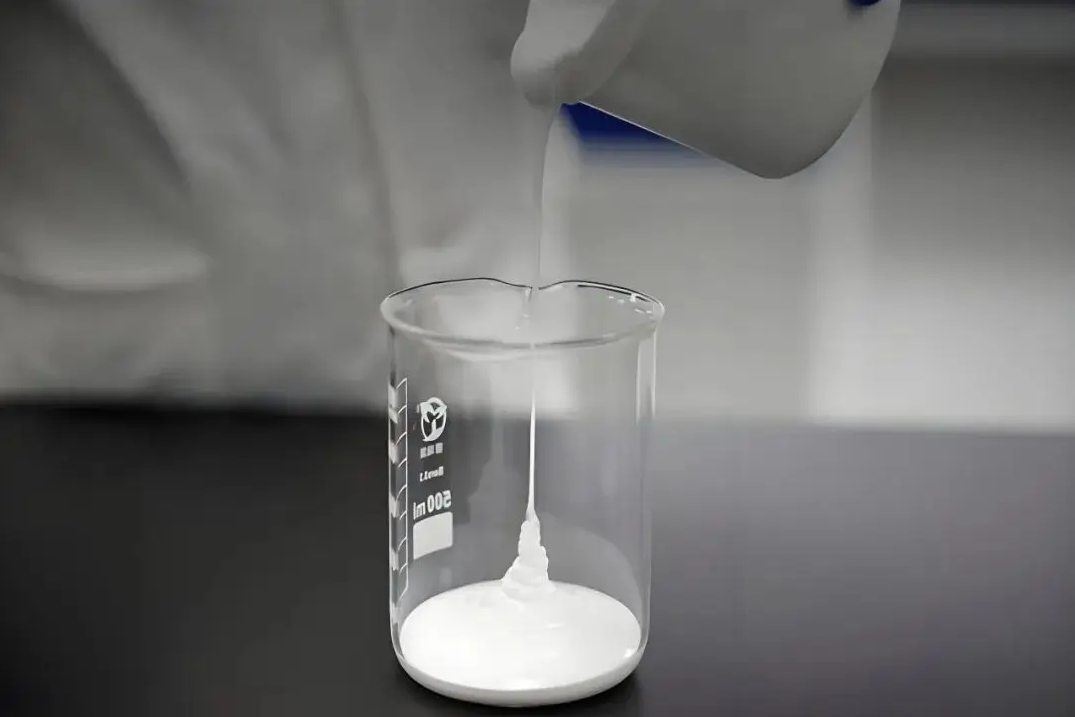
The material combines micron/nanoscale materials, closed-cell structures, and functional layers tailored for high-temperature environments. Key performance metrics include:
-
Thermal conductivity: (significantly lower than traditional materials)
-
Density: 195 kg/m3195kg/m3
-
Service life: Up to 20 years
Thermal imaging of pipelines using this material demonstrates minimized heat dissipation, achieving remarkable energy savings and carbon reduction.
4. Application Cases
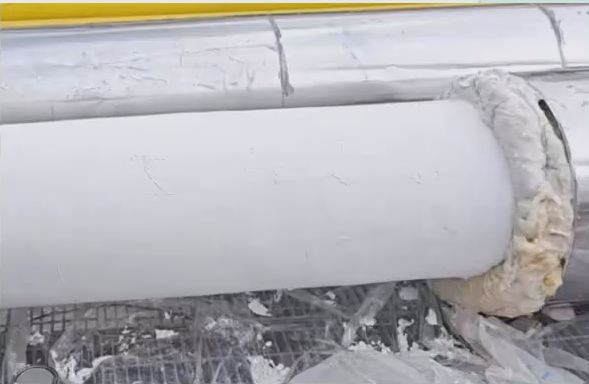
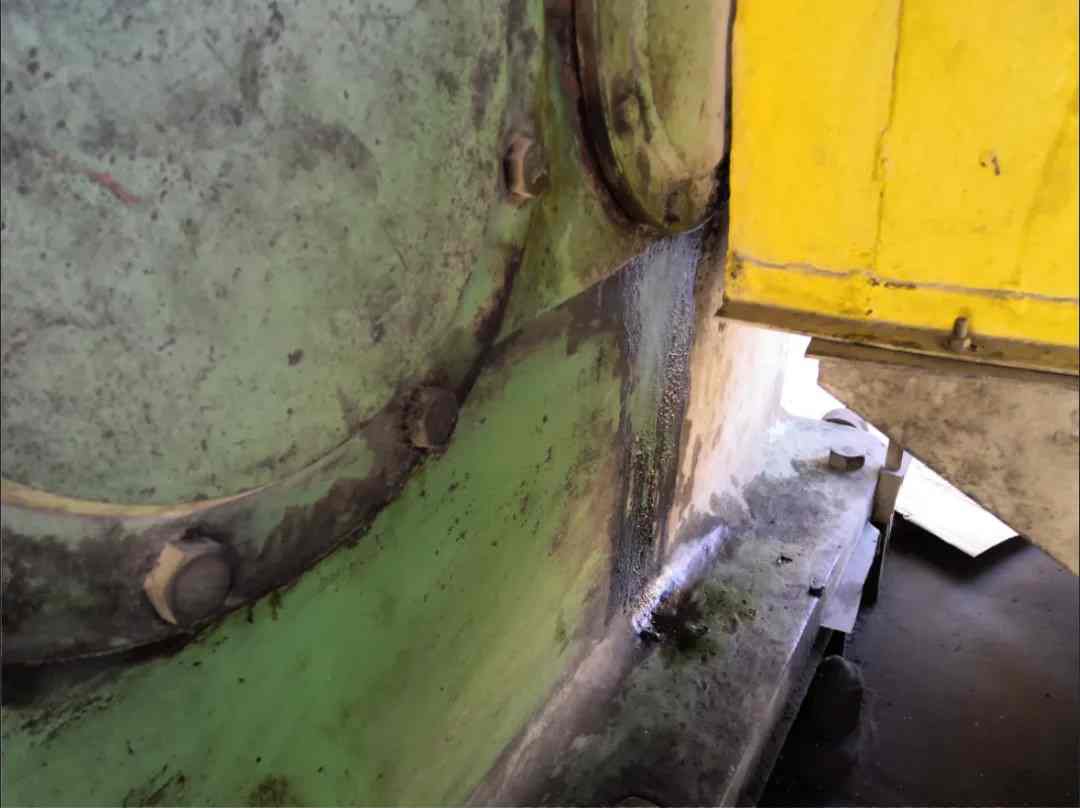
A domestic steel enterprise faced suboptimal insulation performance in its steam pipelines. Dinyeah Group retrofitted the CCPP gas turbine and coal compressor main steam pipelines with Recycled Solid Waste Thermal Insulation Material. Post-retrofit results include:


.jpg)