(I) Characteristics of Pipeline Leakage
1. Visible Leaks
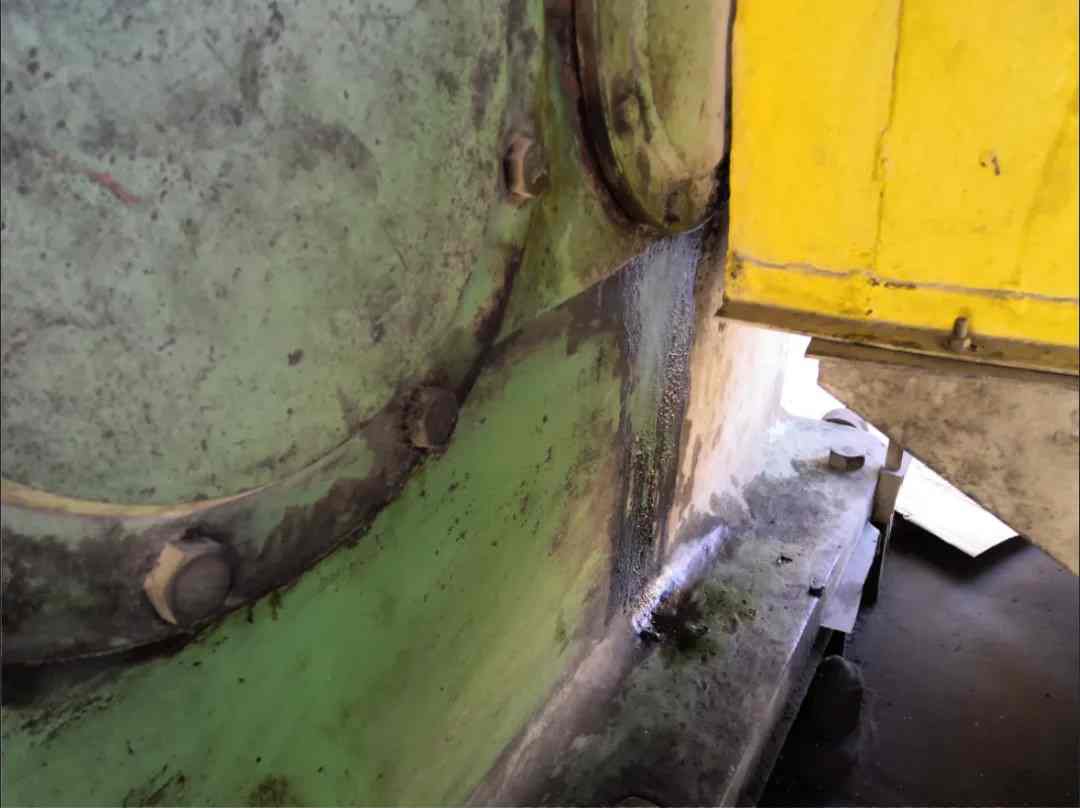
Manifestations: Water surfacing around the pipeline, ground subsidence, abnormally damp soil, or unusually lush vegetation in green areas.
Detection Method: Passive leak detection (no instruments required). Low cost and highly accurate but only applicable to obvious leaks.
2. Hidden Leaks
Characteristics: Water flows into trenches, sewers, or seeps into soil/sand, making detection difficult. Prolonged leakage can lead to significant economic losses.
Trend: Hidden leaks may eventually become visible, but many remain undetected.
(II) Propagation of Leakage Acoustic Waves
1. Principle of Acoustic Wave Generation
When a leak occurs in a pressurized water pipeline, water escaping through the leak collides with air, soil, or debris, generating vibrations due to wall adherence, Kármán vortex shedding, and edge effects. These vibrations produce acoustic waves of varying frequencies.
2. Propagation Paths and Detection Methods
-
Propagation through Surrounding Medium:
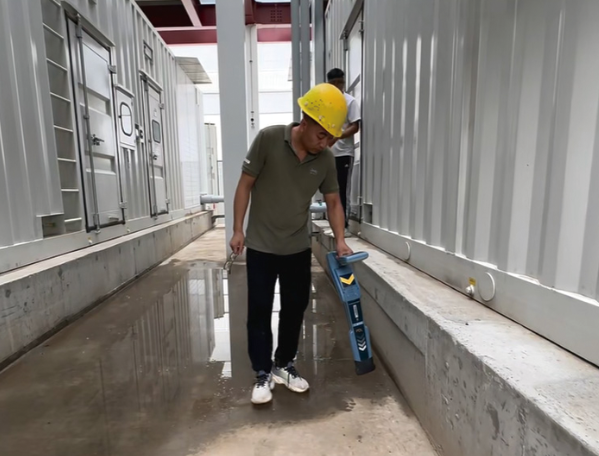
Use the Acoustic Listening Method with tools like listening rods or ground microphones to narrow the leak location between two exposed pipeline components.
-
Propagation along Pipe Walls:
Apply the Correlation Method or Regional Leak Detection Systems. Correlation instruments precisely pinpoint leaks by analyzing acoustic signals transmitted through the pipe(III) Detailed Explanation of Common Leak Detection Methods
1. Acoustic Listening Method
Equipment:
-
Listening Rods: Mechanical (metal) or electronic types. Used for preliminary leak localization by placing the rod on exposed pipeline points.
-
Digital Filtering Leak Detectors (Leak Noise Correlators): Composed of sensors, a main unit, and headphones. Sensors collect vibration signals, which are processed to identify leaks via audio analysis and visual displays.
Procedure:
Conduct an S-shaped scan along suspected pipeline sections. Leak sounds intensify near the leak and diminish beyond it. Advanced detectors use noise filtering and spectrum analysis for higher accuracy.
2. Correlation Method
Advantages: Objective, user-friendly, highly accurate, and effective in noisy or deep-buried pipeline environments.
Equipment:
A correlation kit includes a main unit, two high-sensitivity piezoelectric sensors, two radio transmitters, and headphones.
Principle:
Leak-induced acoustic waves travel along the pipeline to sensors placed at two points (A and B). By measuring the time delay (tt) between signal arrivals and inputting pipe material, diameter, and sensor spacing (LL), the leak’s distance from the nearest sensor (NN) is calculated using stored sound velocity data (see Figure 1).

3. Regional Leak Detection Method
Features:
Integrates advanced technologies with traditional correlation methods. Uses multiple probes to locate leaks across a region in a single scan, improving efficiency and accuracy.
Software:
Generates simulated pipeline network maps for analysis, aiding in leak pinpointing.
(IV) Procedures for Pipeline Leak Detection
A standardized procedure (see Figure 2) has been developed based on field experience. It combines multiple detection methods to enhance accuracy and reduce positioning errors, tailored to pipeline installation conditions and operational environments.



.jpg)