In recent years, driven by the "dual carbon" goals (China's carbon peak and neutrality targets), demand for industrial energy conservation and centralized energy supply for industrial clusters has surged significantly. As centralized heating coverage continues to expand, higher requirements have been placed on long-distance, low-loss heat transfer technologies. However, traditional steam pipeline insulation designs often prioritize cost-effectiveness excessively while neglecting material temperature resistance limits, resulting in reduced system energy efficiency and increased safety risks.
To address these challenges, the Dinyeah Group research team innovatively proposed a lifecycle cost assessment model for steam pipelines that integrates three dimensions: insulation structure, material thickness, and temperature resistance. Through comparative analysis of single-material versus composite-material insulation solutions, the study confirmed that the "polymeric heat-insulating felt + multi-layer high-temperature insulation materials" combination delivers optimal comprehensive performance, achieving dual breakthroughs in cost savings and energy efficiency improvement.
This research provides the metallurgical industry with its first optimized framework for high-temperature steam pipeline insulation design that balances both safety and cost-effectiveness.

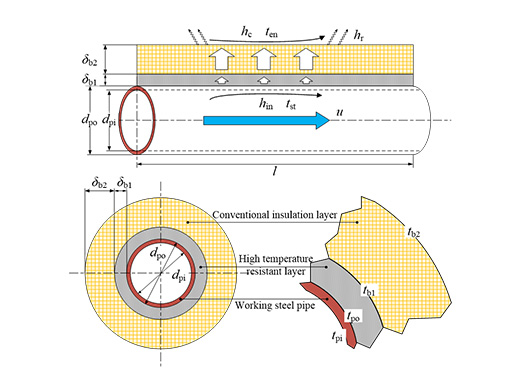
Schematic Diagram of Composite Insulation Structure: Material Composition and Heat Transfer Process
Dinyeah Group's successful bid for the Guangxi Iron & Steel Group coking medium-pressure steam pipeline insulation project marks a transformative leap in translating the Group's theoretical innovations from laboratory research to critical industrial applications. The project implementation not only validates the feasibility and effectiveness of Dinyeah's research outcomes but also establishes a replicable benchmark for other industrial heating projects.
By integrating key technologies—including ultra-low heat loss insulation structures, digital monitoring systems, and safety retrofits for critical components—Dinyeah has innovatively developed a comprehensive solution spanning "insulation optimization → leak detection → precision maintenance". This approach effectively reduces pipeline network heat loss rates while addressing industry-wide challenges such as excessive thermal dissipation and difficult maintenance during long-distance steam transmission. It establishes a demonstrably replicable model for energy-efficient retrofits in comparable projects.
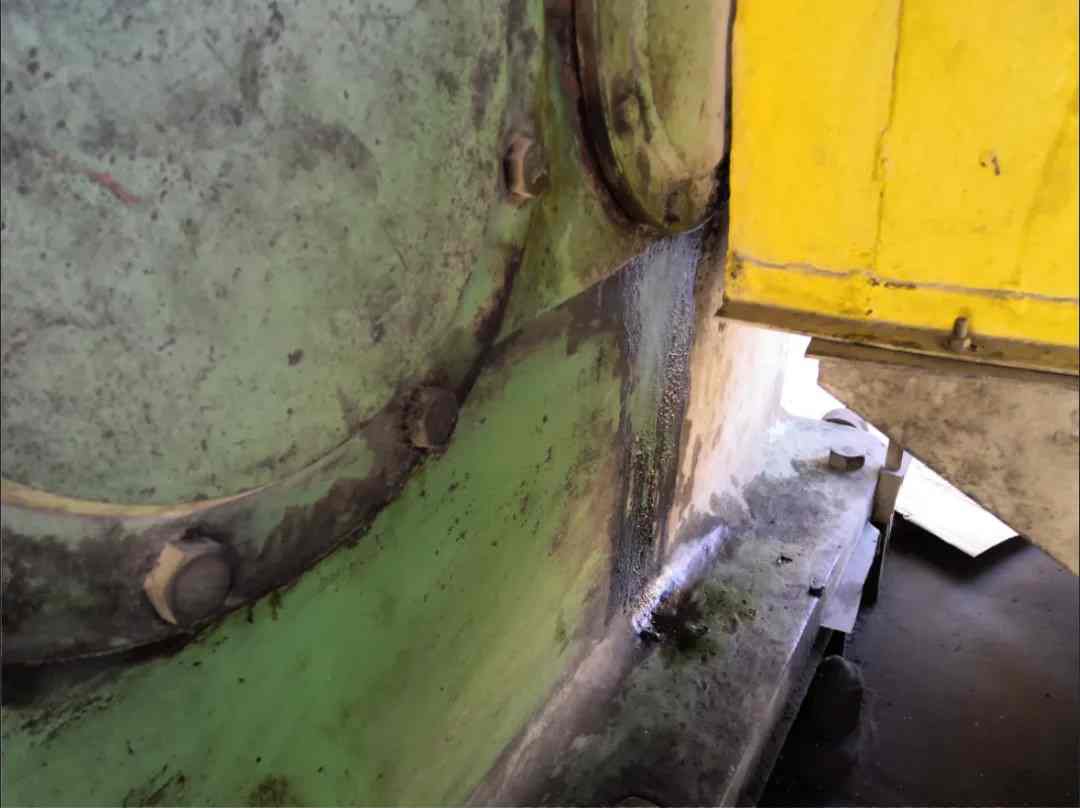
Project Construction Site
The retrofitted steam pipeline demonstrates significantly enhanced insulation performance.
The research findings and successful application not only provide the metallurgical industry with the first optimization framework for high-temperature steam pipeline insulation design that balances both safety and economy, but also bring new technological development directions to the entire industrial heating sector. By reducing heat loss rates and improving energy efficiency, this technology contributes to achieving the "dual carbon" goals and promotes the green and high-efficiency development of the industrial heating industry.

.jpg)
.jpg)
.jpg)